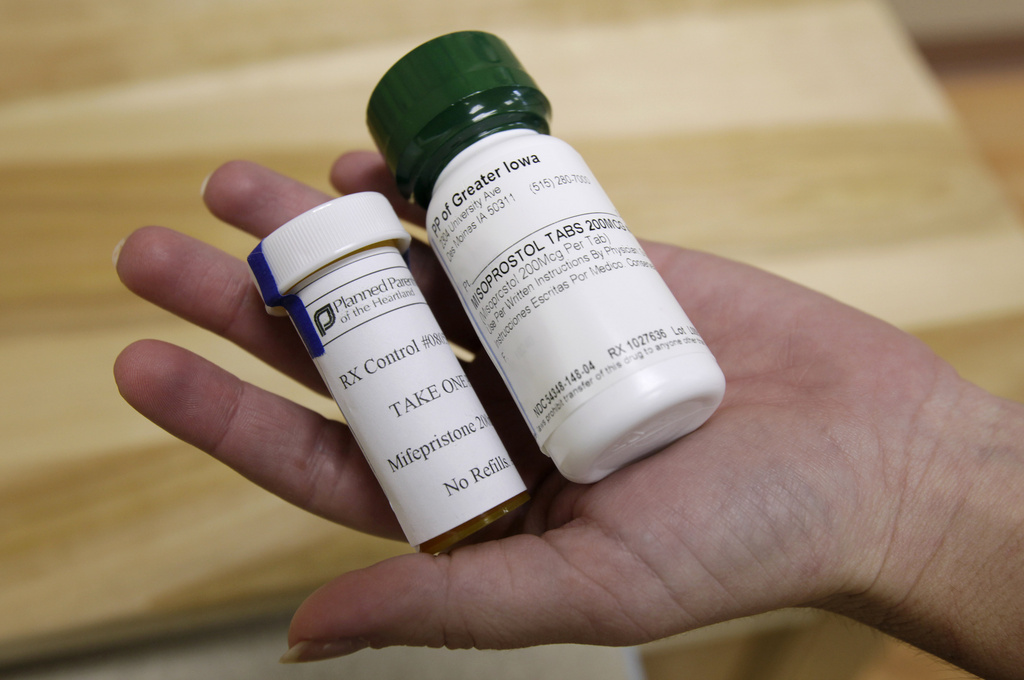
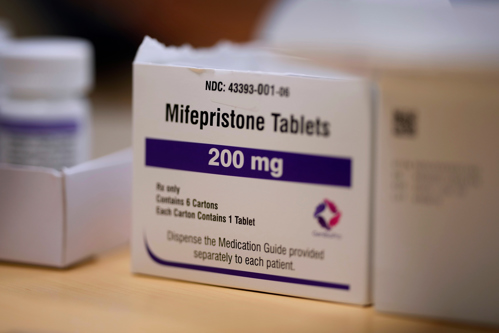
The court order, an administrative stay signed Monday by Justice Samuel Alito, is a one-week emergency order that allows public access to mifepristone, the generic name of the abortion pill known as Mifeprex.
Alito signed the order after two companies that manufacture the abortion pill challenged a federal appeals court ruling that said the abortion pill must be dispensed in person rather than by mail-order.
Alito’s court order is only one part of a long-running court battle, now three years old, over the safety and regulation of the abortion pill through the FDA.
 While that legal battle is taking place in the courts, Elizabeth Gillette told “Washington Watch” she is telling about her own experience with mifepristone because she wants to warn other women of its danger.
"This is not a safe drug. This is not like taking Tylenol for a headache,” Gillette, referring to a common claim from pro-abortion groups about mifepristone, told the program.
She said that horrific experience, which happened in 2011, caused terrible physical pain from the contractions. She also experienced years of emotional trauma after she saw the full-formed baby in her own amniotic sac.
The so-called “abortion pill” is really a two-step oral medication that is taken to induce an abortion by expelling the fetus. The first pill, mifepristone, forces the fetus to detach from the lining of the uterus. The second pill, misoprostol, forces the woman to undergo pregnancy-like contractions and expel the fetal remains like she is giving birth.
Despite the inherent danger of an at-home abortion, radical abortion advocates really have compared the abortion pill to the side effects of Tylenol, or acetaminophen. The group Physicians for Reproductive Health, and abortion giant Planned Parenthood, have both publicly claimed that mifepristone is “safer” than Tylenol.
Serious side effects are extremely rare, as low as .3% of cases, according to the American Medical Association.
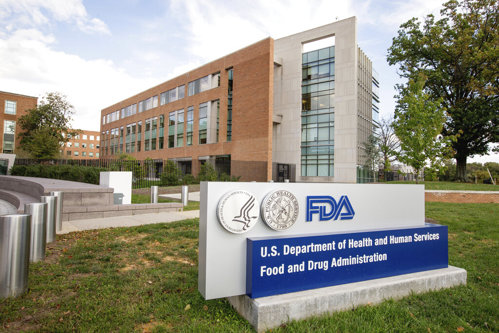 Despite those assurances, Gillette told “Washington Watch” mifepristone comes with an FDA warning, commonly known as a black box warning, about its side effects.
“I did not know that there were severe side effects,” she said, blaming that lack of knowledge on the Planned Parenthood clinic she visited where she received the two-step medication.
“I ended up taking the medication and having a full labor and abortion at home, in my bathroom, in which I bled profusely,” she recalled. “I thought that I would die from the blood and the extreme pain.”
Gillette’s written testimony to Congress, submitted earlier this year, similarly describes what happened when she took the second pill, misoprostol. She experienced serious bleeding and unbearable pain at home. She further wrote:
There was so much pain and blood that I thought I might die. I locked myself in the bathroom and stayed on the toilet for over an hour as blood poured out. I wondered if I would bleed to death on the bathroom floor. The cramping was intolerable.

Gillette submitted her testimony to Congress in March when a Republican senator, Josh Hawley, introduced the Safeguarding Women from Chemical Abortion Act.
Back on “Washington Watch,” Gillette told show host Tony Perkins she is proud to be a married mother of four children, but she is still haunted by her experience back in 2011.
Asked by Perkins how the audience can pray for her, Gillette asked for emotional healing and courage because that trauma will remain with her all her life.
“I think that the Lord has allowed that,” she shared, “because in my weakness He is strong.”