The order signed Thursday does not legalize marijuana for medical or recreational use under federal law, reports Associated Press (AP). However, Trump's decision gives dispensaries a big tax break, eases some barriers to researching cannabis and could even allow the export of marijuana to other countries.
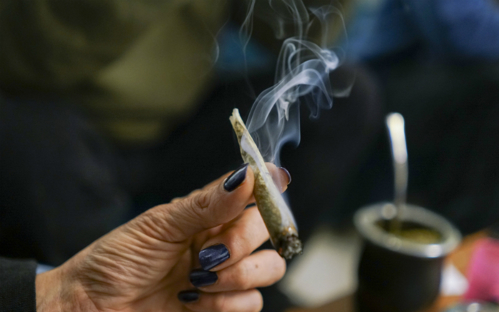 Meanwhile, a further shift could be on the horizon. An administrative hearing slated for the end of June could result in the reclassification of marijuana more broadly. That could grant tax and other benefits to state-licensed recreational markets, too.
"This is a signal that this administration means business on getting this done," Boston-based cannabis industry attorney Jesse Alderman told the AP.
California was the first state to approve medical marijuana in 1996, with other states following in their footsteps soon after. Every state except for Idaho and Kansas has authorized marijuana use in some form, inducing Washington, D.C. So far, two dozen states have approved of adult recreational marijuana.
AFN reported previously that even The New York Times admitted that America has a cannabis problem. While the newspaper believe it should still be legalized, they recognize the harm that has followed marijuana legalization and believe it should be better regulated.
Smart Approaches to Marijuana (SAM) is not a fan of this move by the president.

SAM Executive Vice President Luke Niforatos has longed warned that today's marijuana is not the same as one’s mother's or grandmother's marijuana.
"President Trump said we need to reschedule it so we can research it," Niforatos tells AFN. "We have more than 50,000 research studies on marijuana. We know everything about the drug. We know about its addictive potential. We know now about the growing trend of increased potency."
According to Niforatos, marijuana was 2-3% potent in the average joint of the 1970s. Today, he said there are products such as candies and gummies that are up to 99% potent.
"So, it's a brand new class of drug at this point," says Niforatos.