


A 2-1 decision from a three-judge panel of the Fifth Circuit Cour of Appeals ruled against West Texas A&M University President Walter Wendler, saying Wendler cannot enforce a campus drag show ban. Drag shows are 'likely protected' under the First Amendment, the Fifth Circuit found, according to The Texas Tribune.
The decision reverses a lower court's decision that was in favor of Wendler in 2023.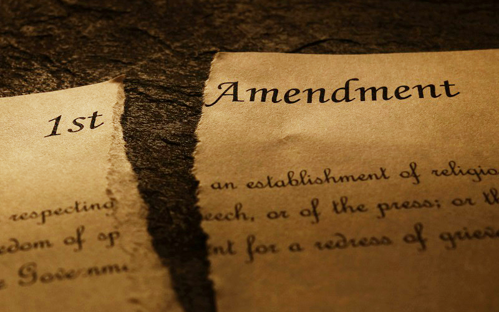
That lawsuit was filed by a student group after Wendler cancelled a drag show, arguing it was demeaning to women and comparing it to blackface.
Judge James C. Ho was the lone panel voice in favor of the ban.
"This is a very disappointing decision by this three-judge panel. Two of the judges concurred in the decision, and judge Ho dissented in a great dissent. The case was wrongly decided,” said Trey Dellinger, a senior legal fellow with AFA Action.
The New Orleans-based Fifth Circuit – covering Texas, Louisiana and Mississippi -- is widely considered the most conservative of the federal appellate courts.

A large share of its judges were appointed by Republican presidents, especially Donald Trump who appointed six judges to the Fifth Circuit during his first term.
Dellinger says the First Amendment does not protect drag shows.
"The First Amendment lets you say most anything you want, but it doesn't let you do anything you want. Properly understood, the First Amendment protects speech, not lewd or illegal conduct. That’s true on the public street, and it's even more true inside a taxpayer-funded university building."
Now people who choose to be pro-transgender ideology or pro-drag, he said, can write opinion pieces and make speeches all they want.
“But the First Amendment doesn't give them the right to engage in lewd or sexually graphic conduct, and that's what this university was trying to prohibit." He said further that universities have to be able to control decorum on their campuses or a campus will turn into a free-for-all that will violate their educational mission.
"For example, a Supreme Court decision that we very much disagreed with allowed a university to exclude a Christian student group because their policies were supposedly 'anti-inclusive.' So if a university can do that, then they certainly ought to be able to keep out lewd and indecent conduct from their university buildings."
Inconsistency in Supreme Court rulings on the First Amendment have led to confusion at the appellate level.
"Now I sympathize a little bit with the Fifth Circuit judges here because the Supreme Court decision in the First Amendment area over the years have become a complete mess, and the Supreme Court needs to clean up the case law in this area to return it to a proper understanding of the First Amendment that's consistent with our history and tradition."
This isn't new, folks
Dellinger says there always have been laws against lewd and immoral conduct. He said that goes back before the founding, even to English common law.
“We need to return to a traditional understanding of the First Amendment that would allow public entities like universities to control that kind of conduct on their campuses. It’s my great hope that the university will appeal this three-judge decision to the full Fifth Circuit which is composed of more than a dozen judges.”


