Using its public survey of 2,600 U.S. adults, American Bible Society releases its “State of the Bible” report every year to give insight into Bible ownership and, more importantly, what it calls “Scripture Engagement” or regular Bible reading.
According to a summary of its 2026 findings, ABS says three in four Americans, or 88%, have at least one Bible in their home. The average household has four Bibles under the roof, the survey found.
A majority of those Bibles are apparently dusty, mirroring the popular Josiah Queen song, since only 25% of adults surveyed said they read the Bible on a regular basis. Those regular Bible page turners are called an “Active Bible User” in the survey.
That figure is down one percentage point from 2025 but up a point from the 2024 survey.
Digging down into the demographics, ABS said men who identify as an “Active Bible User” have jumped from 22% in 2024 to 24% in 2026.
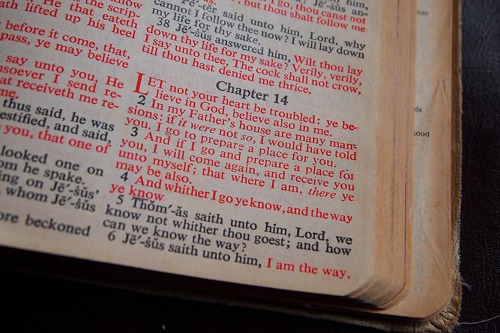 Talking about the ABS report on “Washington Watch,” Washington Stand writer Suzanne Bowdey called it a “sad commentary” the survey shows 62% don't ever open the Bible and read it.
The Bible is a "powerful medication" for loneliness, and for depression, she said, yet it sits on the shelf.
“Back in the day,” Bowdey said, “understanding and knowing the Bible was something that Christians and non-Christians alike were always informed on what the Bible said. It was part of curriculum.”
Picking up on that topic, show host Tony Perkins pointed out a lack of biblical knowledge comes at the same time the United States is approaching the 250th anniversary of America’s founding.
On that famous date, July 4, 1776, delegates from the 13 English colonies cast a vote to adopt a document called the Declaration of Independence. It declared that a human being’s rights come from our Creator, not from the throne of King George III.
“If we have a nation that was founded upon biblical principles, how do we govern if we don't know what those principles are?” Perkins asked.
 Picking up a bright spot in the 2026 survey, Bowdey said she was encouraged by the number of “Bible curious Americans” mentioned in the report.
In the survey, they are also referred to as “Movable Middle” Americans. Those are survey respondents who say they read the Bible, but not regularly, and they remain open-minded about its message.
“People who are open to the message of the Bible,” she explained, “but they just need someone to help sort of guide them through the complexities of it.”
In its survey’s numbers, ABS describes the “Movable Middle” as mood-shifting Bible readers. The survey found 21% follow a routine reading guide or reading plan, and 17% read the Bible the same time each day. Thirty-four percent said they choose Bible passages "depending on my mood at the time."
Among younger Americans, such as Gen Z adults, the survey found 76% prefer to read the Bible digitally, such as using their iPhone during the worship service. Millennials were close behind, at 74%, but that figure easily outpaced middle-aged Gen Xers at 62%.